We get the low down on open water swimmer Gilly McArthur with a series of questions about her story, wild swimming and the upcoming retreat at Low Wood Bay.
I've always been very attracted to water and have spent a lot of time in aquatic environments since I was a small child. Returning to the water when I moved to the Lake District was wonderful, I started cold water swimming again in the late Autumn, some years ago now and soon fell in love with it all.
I'm from Scotland, and my partner is from London, so for me the Lake District is a perfect stop-off point between our family homes.
There are some beautiful places you can get to that are off the beaten track and away from the hot spots to explore with a map, compass, and flask of tea! Waterfalls, forests, a wonderful west coast; it's not Scotland, but for now it's perfect and there are so many incredible places to explore.
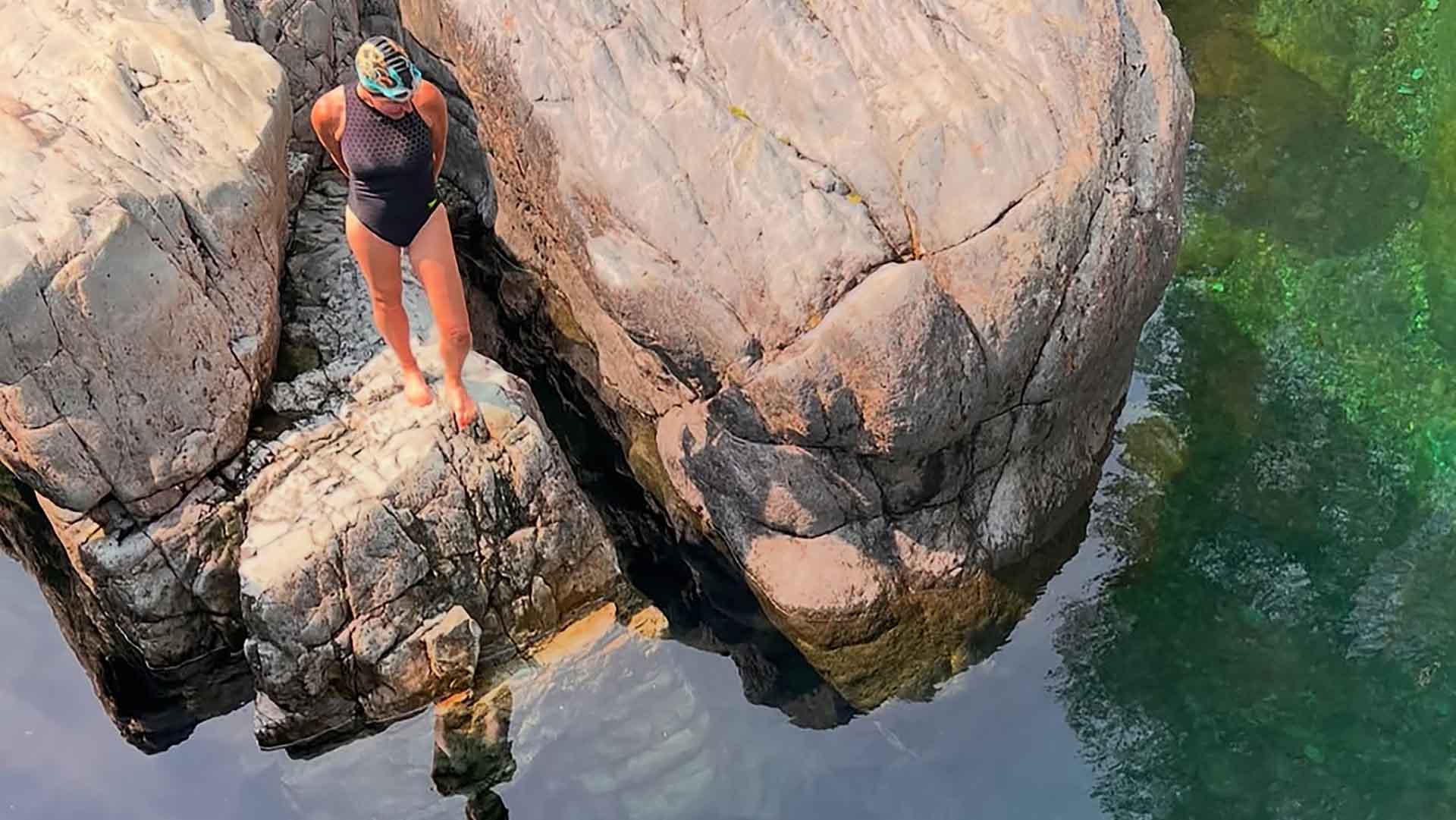
It's all about mindset. If we approach things that are slightly scary with a calm mindset, we can enter the arena better prepared, and this learning can help us in other areas of our lives.
Doing something new can be quite daunting, but with the right guiding hands, it can open up a whole new world to swimming far longer distances, joining beautiful communities and really connecting with our natural habitat in a far more immersive way.
Everyone's starting point is different, and for some people, it might mean wanting to sit on the shore that first time. Some people might already have an experience of getting into water and understand the process. Our bodies and minds are as unique as our fingerprints, so in this regard, the coaching style is very much you do you.
Sure, I have outlined some in the book, but it’s essentially about finding presence on the shore. There are so many lovely ways to find presence and some brilliant apps, but this is an easy starter.
1. Stand safely on shore with your feet grounded and your attention on the present moment. Keep your breathing natural; do not hyperventilate or hold your breath.
Take three slow breaths, breathing in gently through your nose and out slowly through your mouth.
2. Notice your body feel your feet, relax your shoulders, and observe any tension without trying to force it away.
3. Use your senses, notice three things you can see, two things you can hear, and one physical sensation, such as the air on your skin. You can also just close your eyes and notice these too.
4. Set a simple intention such as ‘I will enter gradually, stay calm, and listen to my body.’ It might even be asking the water to help ease something, and 5. smiling– that’s critical too!
Its worth noting that if you feel dizzy, confused, unusually breathless, or overwhelmed by the cold, leave the water immediately.
As a practical next step, you can practise these five steps once at home so they feel familiar before your swim.
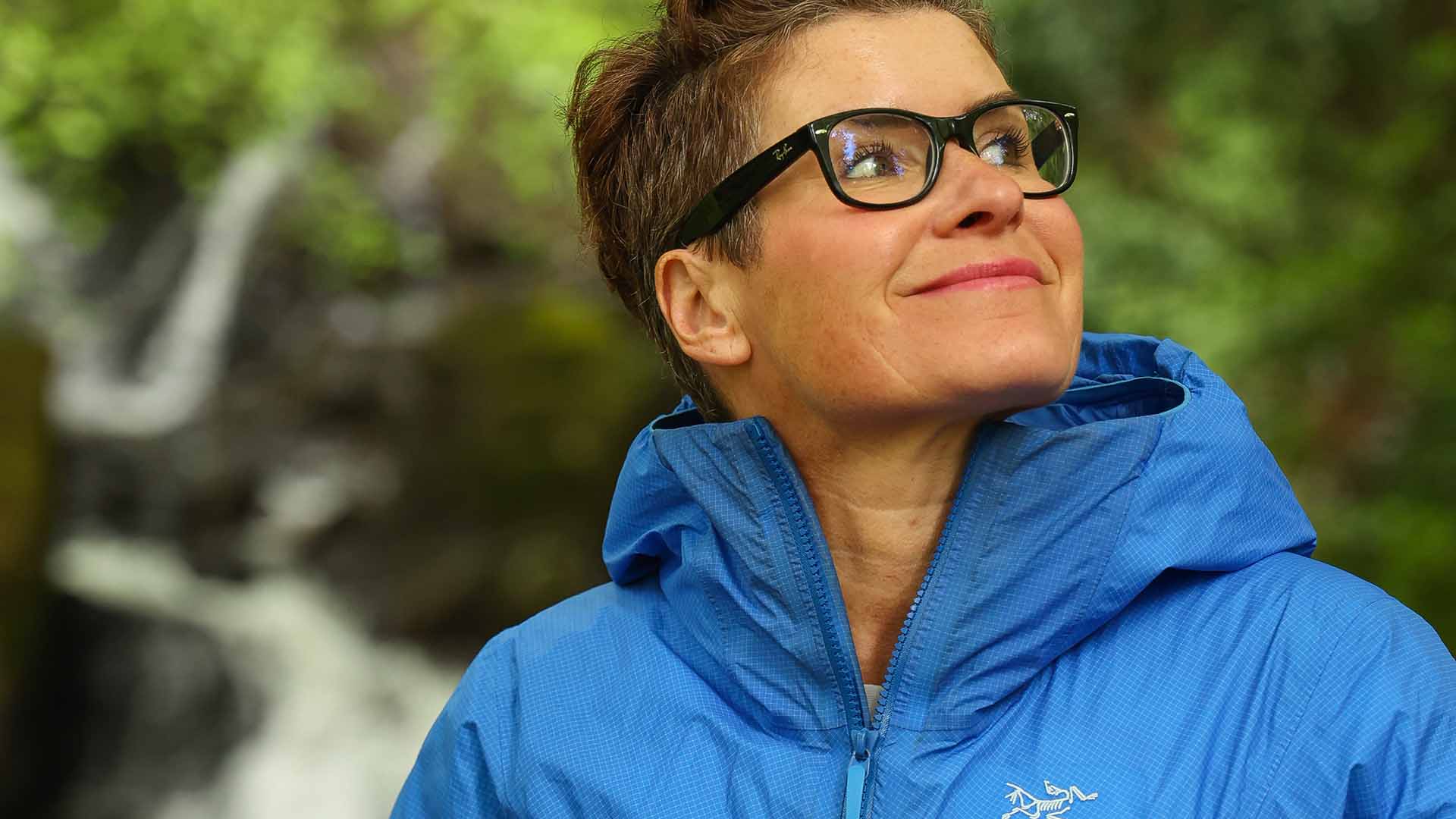
The overnight stay will allow people to switch off in a beautiful setting, with wonderful food and a chance to unwind. You will leave learning a little bit more about how cold water, whether that's in a shower or in a natural body of water, can really help improve mind and body.
I will be working with the resort's open water swimming coach, Claire, who is our expert swim guide at Low Wood Bay Resort & Spa who runs Open Water Workshops weekly for guests to book and enjoy during their stay.
There really is no pressure at all to do anything apart from show up and listen. We don't need to get into ice water to harness the benefits - wetsuits are available, and so is a sauna. This isn't about distance; it is about a dip with great company that leaves you refreshed.
Water is woven into every aspect of our lives; we are 70% water, and our world is 70% water. There's something really beautiful about being held in water and emerging; science is backing up what we have felt for millennia.
Once you develop a regular experience of safely accessing water for well-being, it can be life-changing for many of the people I have worked with. They say that they come for the cold, but they stay for the community. Being stripped back to being human beings, less human doings, is something quite potent as the world seems to be spinning ever faster.
Oh, I don't think there's any difference. I think you can swim for distance with a deep connection to your surroundings just as much as you can for a little dip with your feet on the shore.
This is really about finding your own space and doing it in a way that can optimise your mental health, alongside a performance element. Like anything in life, it's all about balance some days. On other days, I go for a long swim. I float and look at the sky.
The strangest thing I've seen while swimming was in a high-up body of water in the Late District. I was swimming across a tarn and saw something orange quite deep down.
I had no idea what it was. I dove down, and it was a sleeping bag. Someone must've had a very cold night sleeping if it had blown into the lake. Needless to say, my friend James and I pulled it from the water and hiked it out.
Part of the coaching I teach is about how we can leave these natural bodies of water better, and I think this is something we should all practice in any natural environment we find ourselves in. We can all do out bit to help nature thrive again.
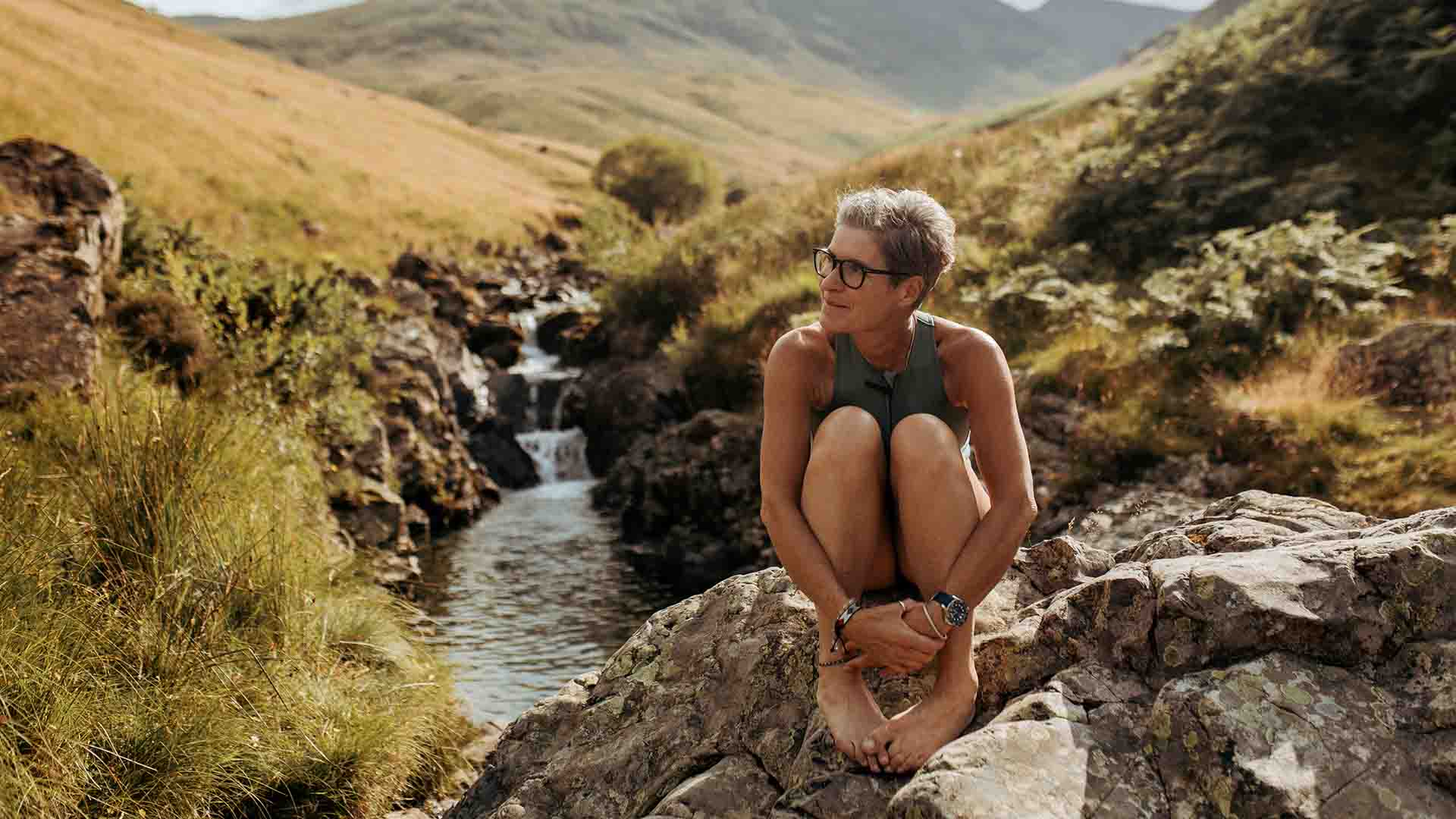
In winter, wetsuit, shoes, gloves, and a warm hat can really help. We can also provide wetsuits if people would like to use them.
The two things I take with me on every swim a gardening mat to stand on and a big woolly sweater. Woollen socks and lots of warm layers are your friend in the cold!

Sign up today and receive news on our latest special offers and events.